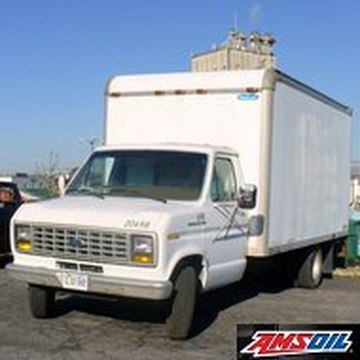
Engine Lubrication Care for the 1982 Ford Trucks E350 VAN 7.5L
Maintaining a large-displacement engine requires consistent attention to lubrication quality and system integrity. For the 1982 Ford Trucks E350 VAN equipped with the 7.5L engine, regular service is a fundamental aspect of long-term mechanical health. Because these engines are often utilized in heavy-duty or high-load capacities, the lubricant plays a vital role in managing the thermal and mechanical stresses encountered during operation.Monitoring Lubricant Condition and Consumption
One of the most effective ways to monitor the health of the 7.5L engine is through regular observation of the oil's condition. Changes in the appearance or smell of the lubricant can be early indicators that require investigation. For instance, if the oil appears excessively dark or contains visible particulate matter, it may suggest that the service interval has been exceeded or that internal components are shedding material. It is also important to monitor for any unusual consumption of the engine oil. If you find that the level on the dipstick is dropping more rapidly than expected between scheduled services, this warrants a closer inspection. While various factors can cause fluid loss, identifying a change in consumption patterns early allows for more informed maintenance decisions. Always check the oil level when the vehicle is parked on level ground to ensure an accurate reading.System Integrity and Visual Inspections
A proactive approach to maintenance involves regular visual inspections of the engine compartment. For a vehicle of this age, checking for signs of fluid seepage or leakage is a practical priority. Inspecting various gaskets and seals can help identify areas where lubrication might be escaping the intended pathways. Even small amounts of seepage should be noted, as they can eventually lead to significant fluid loss if left unaddressed. Beyond the engine itself, other components should be inspected for their current condition:- Hoses and Connections: If present, inspect any visible hoses for signs of cracking, softening, or bulging.
- Drive Belts: If equipped, examine accessible drive belts for evidence of glazing, fraying, or surface deterioration.
- Electrical Integrity: Check that wiring and electrical connectors appear secure and show no signs of heat damage or corrosion.
- Cooling System: Look for any visible evidence of coolant leakage around connections or the radiator to ensure the engine remains within its proper operating temperature range.
Prioritizing Maintenance Based on Current Condition
When managing the upkeep of a 1982 Ford Trucks E350 VAN, it is often more effective to prioritize tasks based on the actual condition of the vehicle rather than relying solely on its age. If you are stepping into ownership without a complete service history, establishing a maintenance baseline is a logical first step. This involves performing a thorough inspection and documenting the current state of all fluids, filters, and major wear items. If previous maintenance records are available, review them to identify any recurring issues or recent repairs. If no records exist, focus on addressing active concerns—such as visible leaks or unusual noises—before moving into purely preventive measures. This condition-based approach ensures that resources are directed toward the most immediate needs of the 7.5L engine.Managing Long-Term Engine Health
As vehicles age, the materials used in seals, gaskets, and various rubber components may undergo changes in flexibility and durability. For an older E350 VAN, this means that routine inspections should become more frequent. Rather than assuming a component is functional simply because it has not failed yet, look for subtle signs of aging, such as minor weeping around sealing surfaces or slight hardening of belt materials. Maintaining detailed records of all completed services, including the specific products used and the dates of service, provides significant value. These records help in identifying patterns, such as how often certain components require attention or how the engine responds to different lubricant formulations. Consistent documentation is a key tool for any owner looking to manage the long-term requirements of a large-displacement engine.Understanding Lubricant Functions
The oil within the 7.5L engine performs several critical roles that extend beyond simple lubrication. It acts as a medium for heat management, helping to carry thermal energy away from high-friction areas and toward the oil pan or cooling system. Furthermore, modern lubricants are designed with additives that assist in managing internal deposits and providing oxidation resistance, which helps maintain the fluid's effectiveness over time. While many owners focus on the necessity of lubrication to reduce friction, the ability of the oil to remain stable under the thermal loads typical of a 7.5L engine is equally important. Ensuring that the lubricant remains chemically stable prevents the formation of sludge and other contaminants that can interfere with the smooth operation of the engine's internal components.Practical Guidance for BUYING ENGINE OIL for your 1982 Ford Trucks E350 VAN 7.5L
When you are ready to replenish the lubrication in your 1982 Ford Trucks E350 VAN 7.5L, it is essential to select a product that aligns with the specific requirements of your engine. Do not rely on general assumptions about what an older vehicle might need; instead, match the engine oil to the application-specific viscosity information already displayed on this page. Before making a purchase, consider the following steps:- Verify Viscosity: Match the oil you purchase to the specific SAE viscosity listed in the application information provided above.
- Check API Certification: Ensure the product carries the appropriate API service symbols to confirm it meets modern quality and performance standards.
- Evaluate Formulations: Depending on your engine's current condition, you may choose between conventional, synthetic blend, or full synthetic oils. Some high-mileage oil formulations contain additives intended for use in aging engines, including seal-conditioning additives that may be beneficial for older seals.
- Inspect the Label: Always read the product packaging carefully to confirm it meets the specifications required for your specific engine and application.